"Art machine"
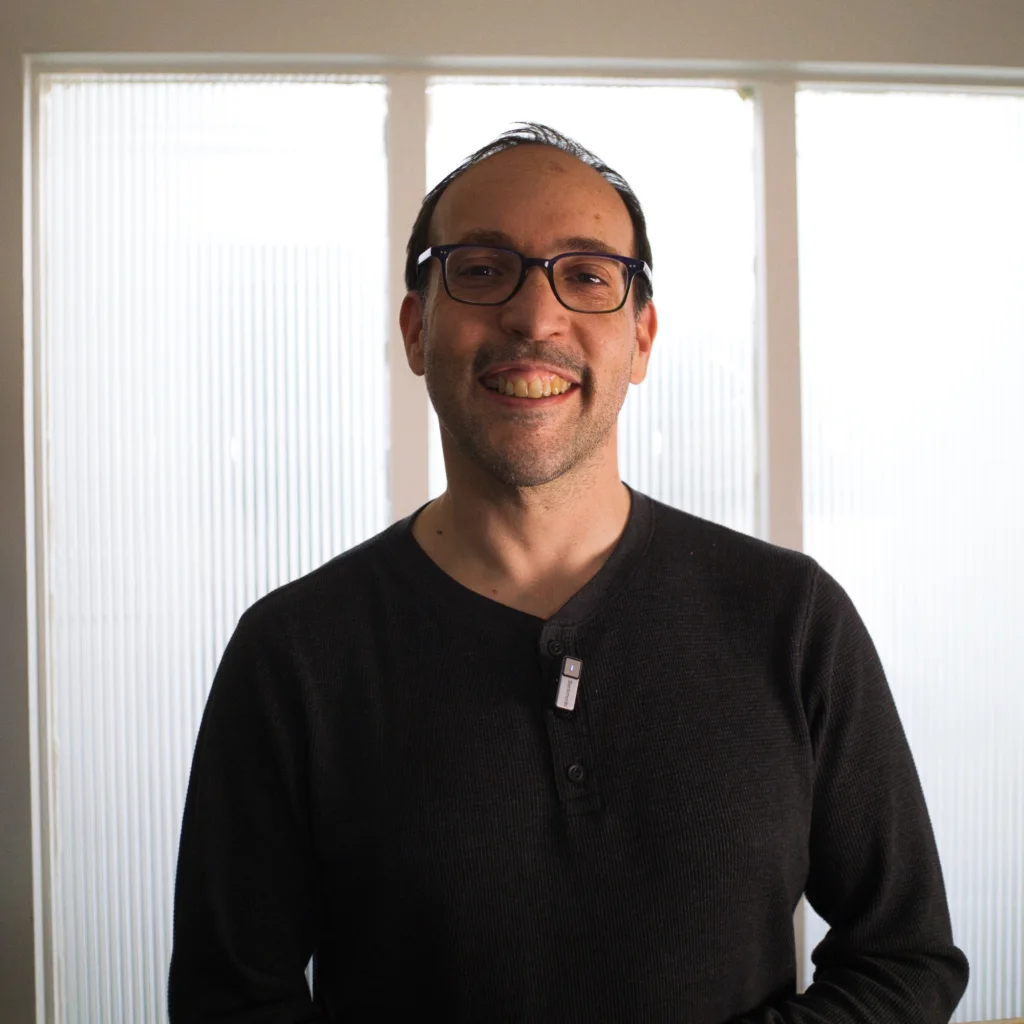
Felipe Hoffa is a San Francisco based software engineer, former Google and Snowflake developer advocate, and an artist at heart.
Felipe Hoffa / Issue 01
A technologist taught by stories.
Felipe Hoffa flew in from San Francisco: first to speak at McMaster University, then to take a seat at the Searing Stories table.
Today, he is Geotab’s Principal Data & AI Intelligence Advocate. Our conversation began at Google in 2011, where he moved from software engineering into BigQuery developer advocacy, then continued at Snowflake. Film, improv, and a lifelong love of art shape how he makes technical ideas understood.
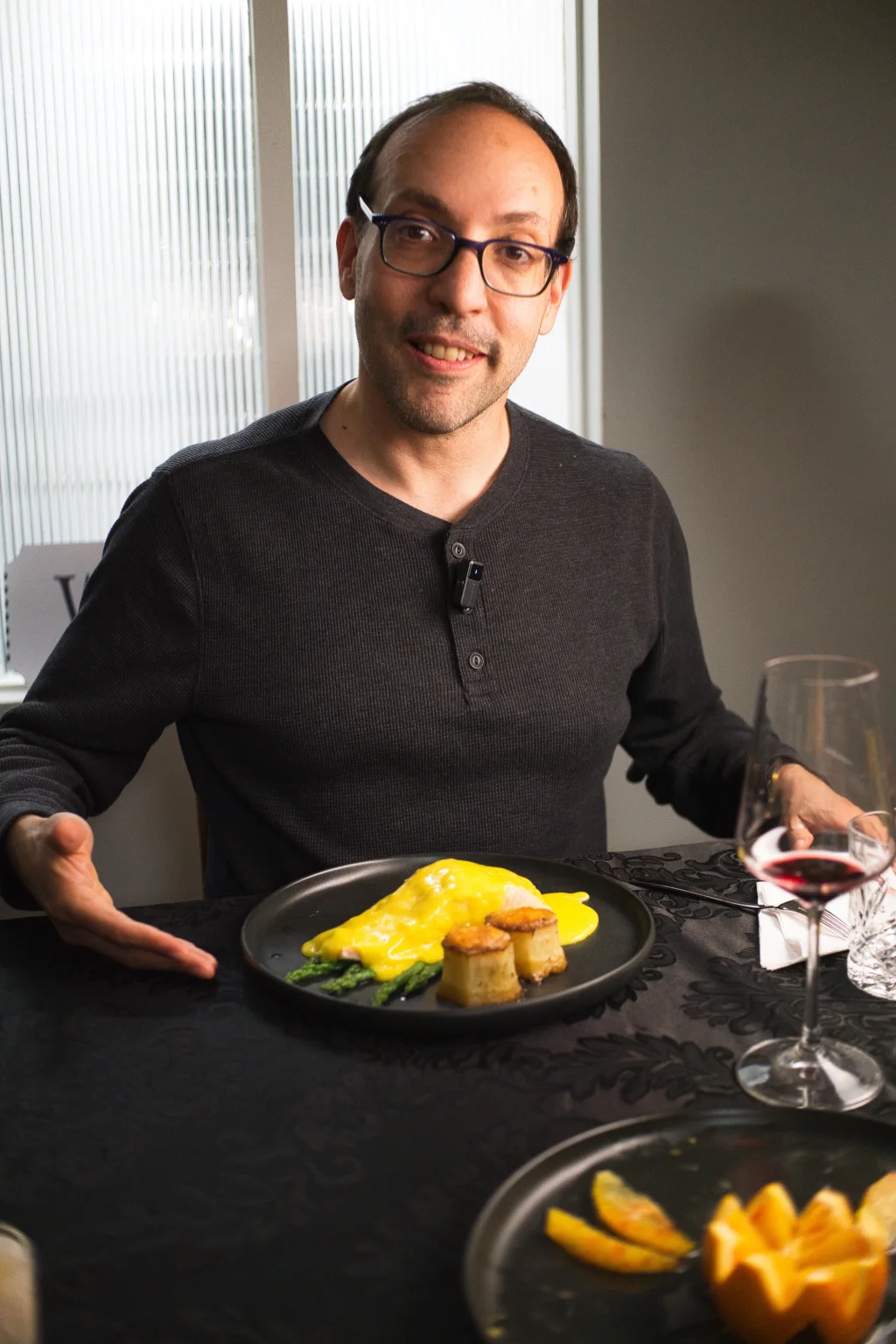
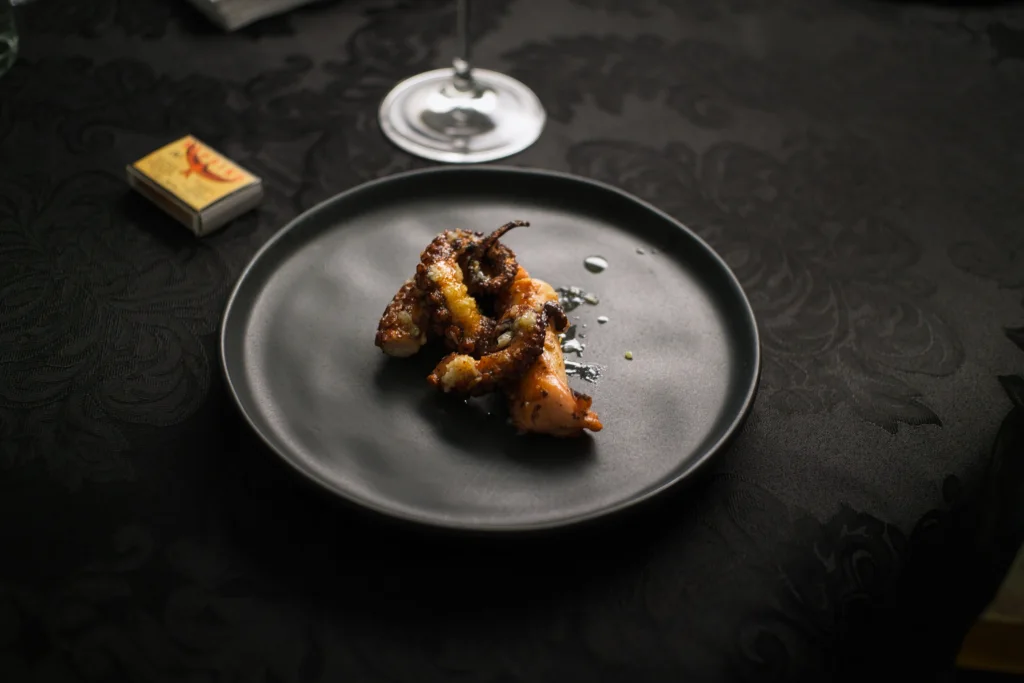
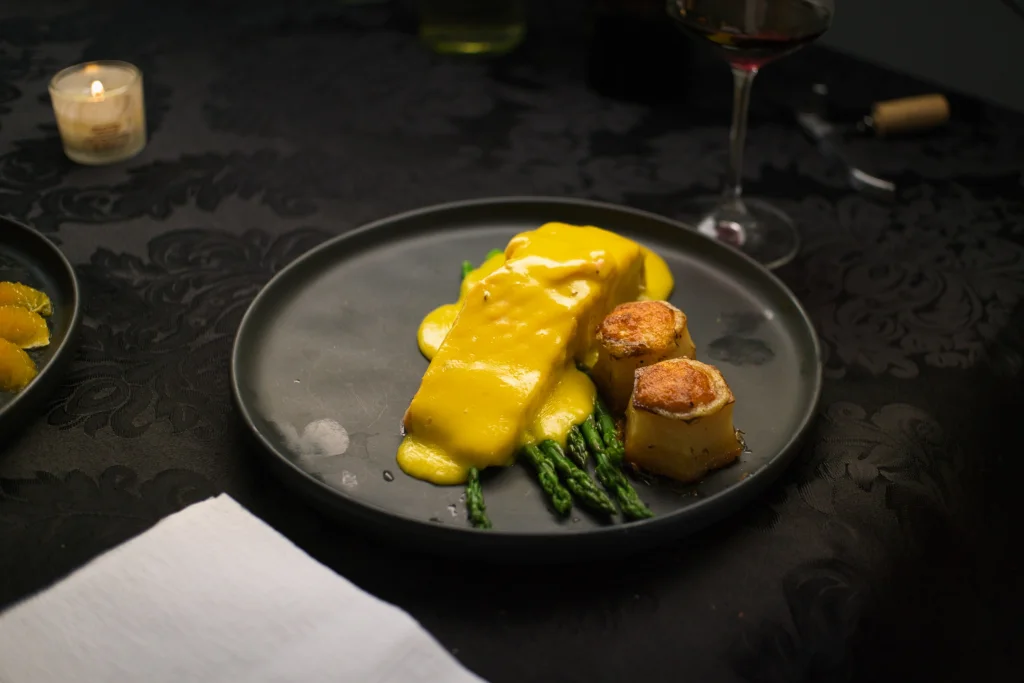
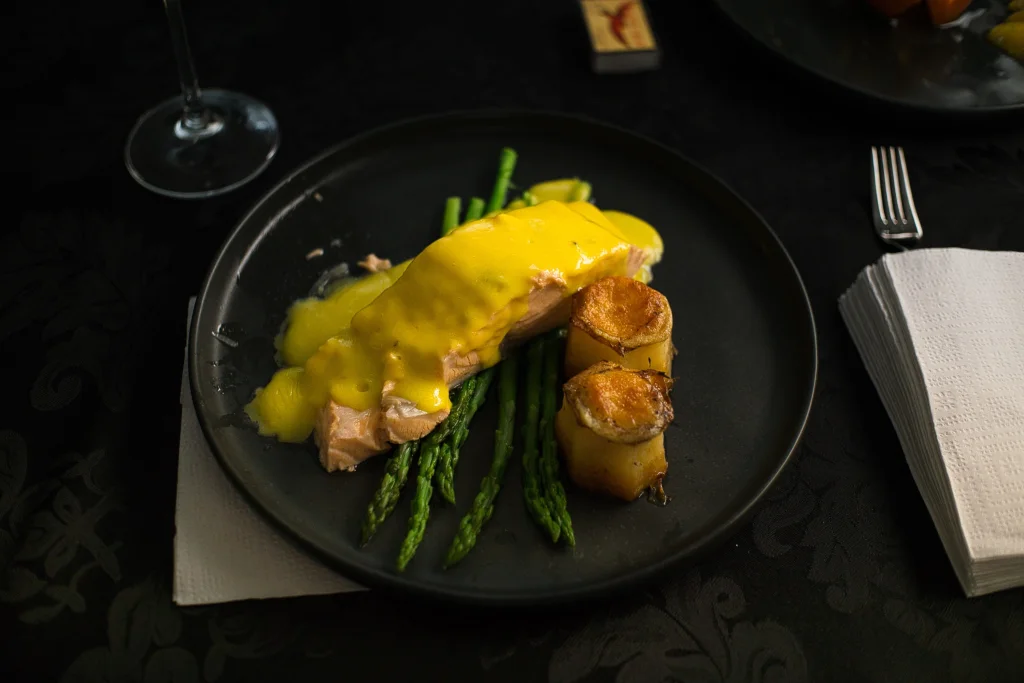
Dinner has moved from its first plate to salmon and dessert, while the conversation has crossed filmmaking, software, attention, and the peculiar luck of meeting people who remember you.
Our host Will Chai met Felipe while photographing the 2026 McMaster hackathon. A few more exchanges brought Felipe, Ed Gao, and Will to this table. And while the subjects keep changing, Felipe's way of seeing stays remarkably consistent: he approaches technology with an artist’s appetite for framing, rhythm, surprise, and interest for people.
01
Film and improv
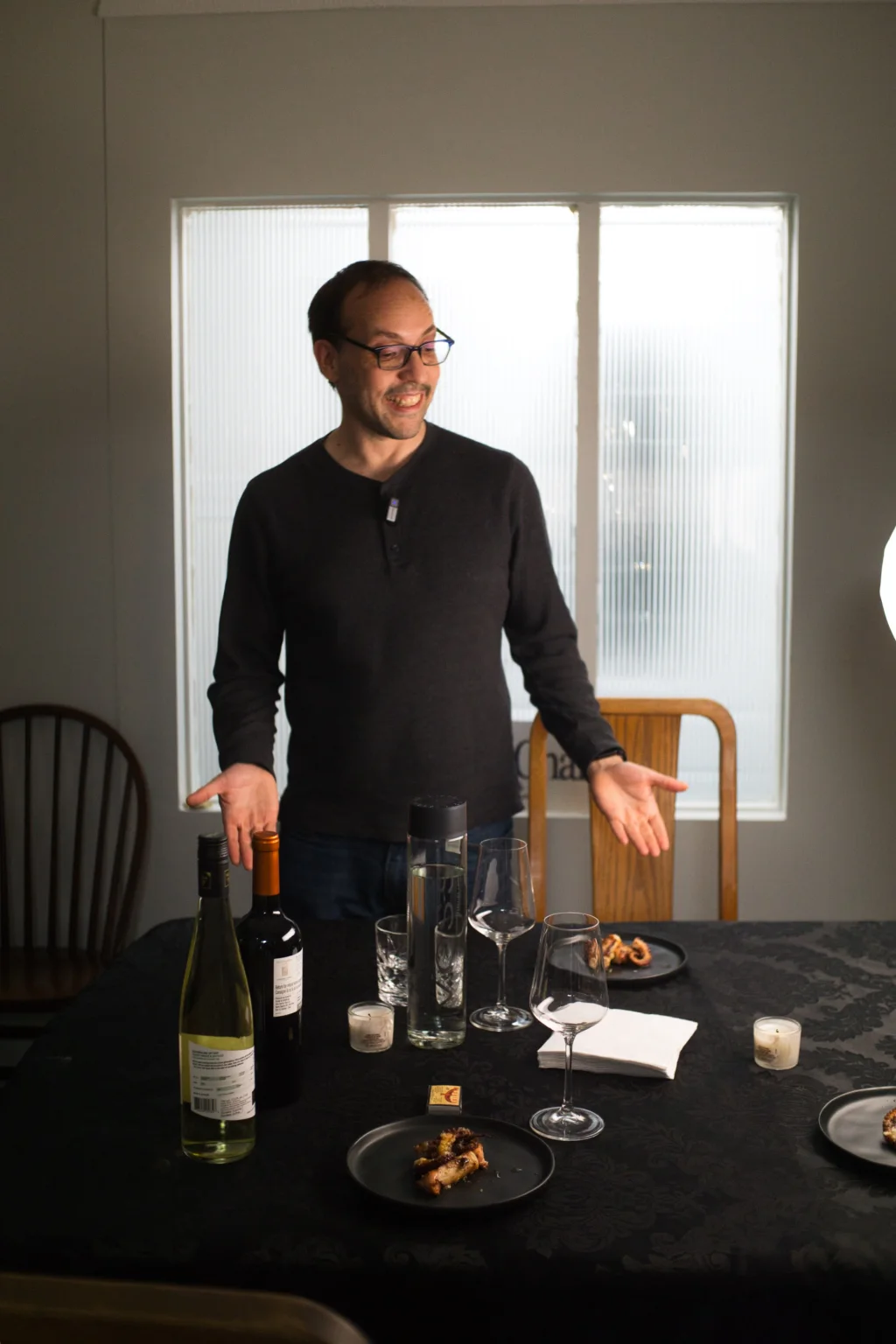
Hoffa remembers writing small plays in high school in Chile and recruiting friends to perform them on video. During his engineering studies, he used his savings for a summer in New York and made short films on 16 mm.
The experience gave him a concrete lesson in turning an idea into a scene. He remembers deciding where to stand, what to emphasize, and how separate moments can become one intelligible story. Those questions stayed with him when programming became his profession.
Years later, improv added another artistic discipline. Everyone onstage has to hear what arrives, understand the room, and shape a response quickly enough for the shared story to continue.
“The whole theater is waiting for you to say the next sentence, and you now have to come up with something, and you have to listen to the other people so that they can do the same.”
“I went back to study engineering, I finished computer science, I became a professional programmer. But the storytelling part is crucial.”
02
Translate the signal
In 2011, Hoffa moved from Chile to San Francisco to join Google as a software engineer. Two years later, an invitation brought him into developer advocacy for BigQuery.
The role joined his technical curiosity to the expressive instincts he had built through film and improv. He could analyze data, find the pattern, and turn the result into blog posts, conference talks, and videos for people around the world.
Developer advocacy gave data a stage. To build useful explanations, one needed structure, timing and a clear sense of audience. Hoffa had found a technical role that made room for the artist in him.
“I don’t have a plan. I get called into things.”
The invitations arrive because people remember the work. A video made for a Canadian company became part of a relationship that later connected Hoffa with Geotab. That relationship eventually led him back to Canada, to the hackathon where Will was taking photographs, and then to dinner.
The path looks accidental when reduced to job titles. Heard at the table, it has a pattern: make something vivid, explain it generously, and remain open to the people who respond.
03
Taste is a judgment
Artificial intelligence gives Hoffa another medium to explore. At dinner, he describes asking models similar questions, reading the results, and deciding which ideas deserves to continue.
His kitchen metaphor brings the idea into focus. Direction still requires someone to name the problem, communicate the intention, recognize quality, and take responsibility for the result.
“It’s like being a chef that’s not cooking. There’s another guy there doing what you want … but you are still the one that decides what’s good, what’s not and how you want it done.”
The metaphor gives technology an artistic structure. Across a kitchen, a film set, and an AI workflow, direction depends on taste. A tool can produce material quickly. Though meaning arrives only through the person who sees, chooses, and understands.
04
Keep it going
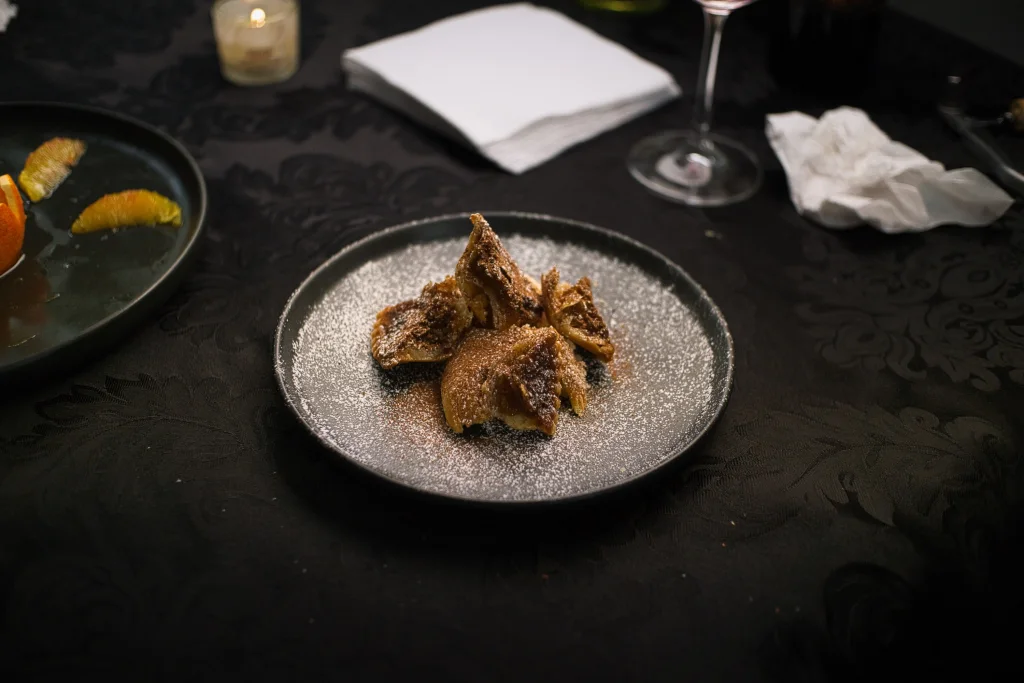
Near dessert, the table turns the evening’s central idea into a game. Fortunately, Unfortunately passes a story from one person to the next. Each player receives the previous sentence, changes its direction, and leaves an opening for someone else.
The game joins Hoffa’s artistic and technical instincts in one gesture. A signal arrives. Someone interprets it, responds, and sends it back changed. The story survives through shared attention.
That rhythm also explains why his tangents belong in the same portrait. Film, data, improv, travel, food, and AI are different surfaces for the same curiosity. Each offers a new way to notice people and make experience legible.
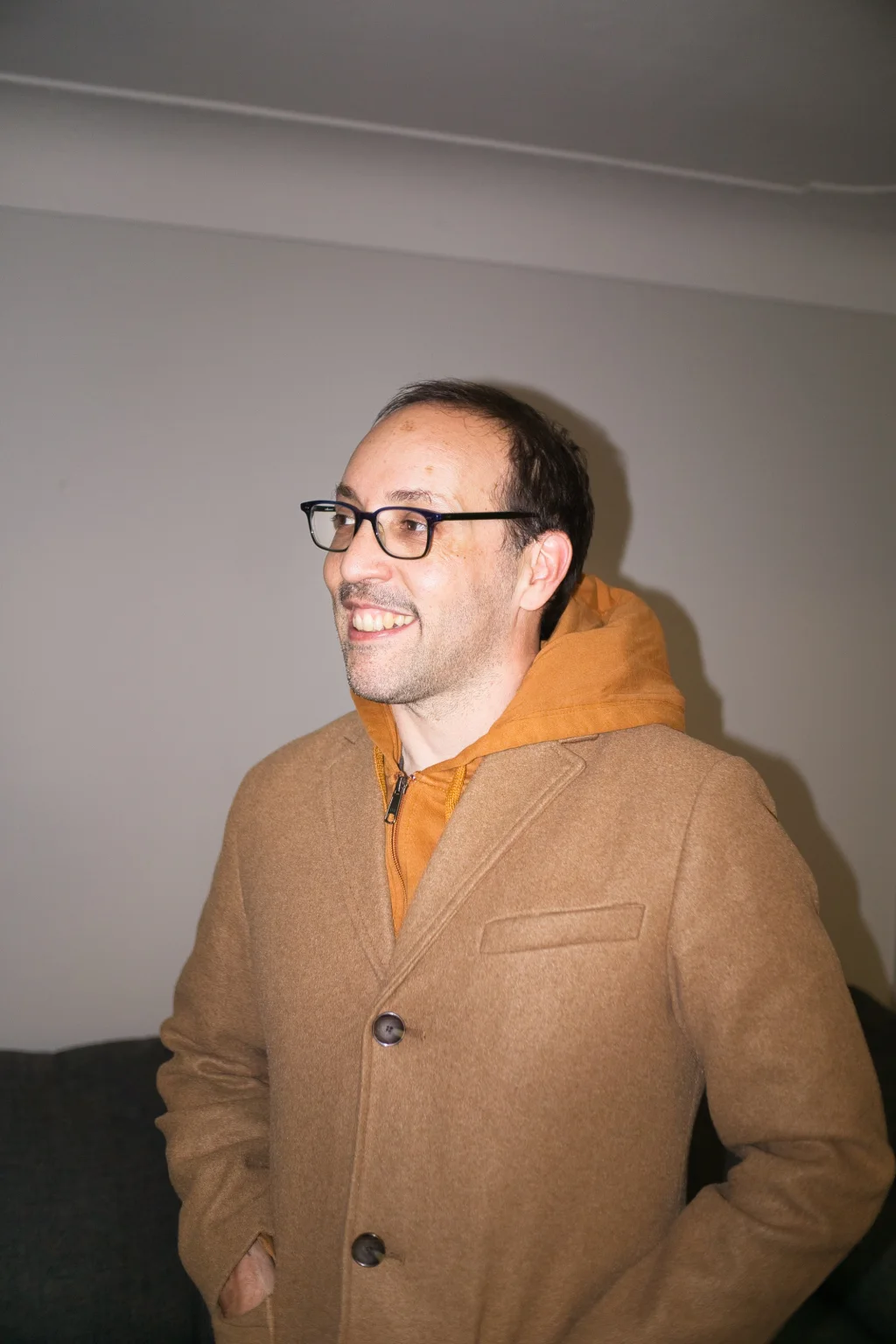
“Be you and be someone that other people want to be around. … If you want to be the one that’s called, you need other people that call you, and we can all do things together.”
Felipe Hoffa carries an artist’s discipline into technical work: frame the scene, listen for the turn, and decide what belongs.
The room makers
The people behind the table.